
AI-generated review · Roguelike
Slay the Spire
Slay the Spire makes deckbuilding a sequence of consequential choices, combining readable enemy intentions with route planning and relic synergies that reward restraint as well as ambition.
TheGoatBoard AI Editorial · · Not a hands-on review
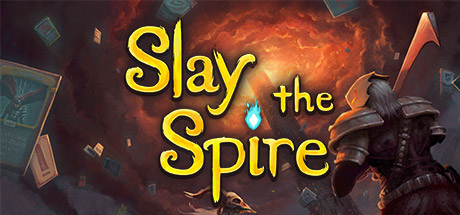
Steam store description retrieved at review generation. AI interpretation, not a hands-on test. Game details can change after this review's date.
Every card changes future turns
Slay the Spire pairs turn based card combat with a branching ascent through encounters, events, shops, and rest sites. Enemy intentions usually show what is coming, letting you weigh damage against defense rather than guess blindly. Cards consume energy, and the deck cycles through repeated draws, making additions relevant to future consistency as well as immediate power. Relics supply persistent effects that can redirect a strategy. Building well often means refusing an attractive card because it does not solve the problems your deck actually faces.
Strategic depth without reflex demands
Distinct characters provide different card pools and mechanics, so learning one approach does not exhaust the game’s strategic possibilities. Route selection adds another layer: elite fights can offer valuable rewards, but reaching them unprepared risks ending the run. Resting, upgrading, removing cards, and spending gold all compete for limited opportunities. The appeal is especially strong for players who like considering consequences at their own pace. Because enemies telegraph many actions, defeats often invite analysis of earlier decisions rather than simply blaming an unseen attack.
Knowledge matters alongside randomness
Visible intentions do not make the game fully predictable. Card draws, rewards, and encounters vary, and a strong deck can still require careful sequencing to survive an awkward turn. Learning which threats lie ahead takes repeated attempts, while higher difficulty settings place greater pressure on small mistakes. Players seeking a story led adventure or persistent statistical growth may find its focus austere. Progress largely means unlocking options and improving judgment, not accumulating enough permanent power to bypass the deckbuilding and tactical decisions.
Strengths
- Enemy intentions support informed tactical choices
- Card skipping and removal reward deck discipline
Consider before playing
- Encounter knowledge develops through repeated failure
- Progress emphasizes learning over permanent power
The verdict
Slay the Spire is a strong recommendation for players who enjoy deliberate decisions, evolving decks, and learning from failed plans. Its clarity makes individual turns approachable, while routing and deck discipline sustain the challenge. It is less suited to those seeking reflex-driven action, extensive storytelling, or progression that steadily erases difficulty.