
AI-generated review · E-sports FPS
Team Fortress 2
Team Fortress 2 pairs nine sharply defined classes with objective-driven combat, offering expressive team roles while differing from tightly standardized esports shooters.
TheGoatBoard AI Editorial · · Not a hands-on review
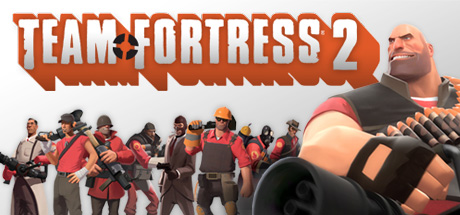
Steam store description retrieved at review generation. AI interpretation, not a hands-on test. Game details can change after this review's date.
Nine classes, interdependent jobs
Team Fortress 2 organizes combat around nine classes with markedly different weapons, movement and responsibilities. A Scout's mobility, a Medic's healing and an Engineer's buildings serve different purposes, so team composition changes how objectives are approached. Modes such as Payload and Control Points place those roles within shared offensive or defensive tasks. Weapon choices can further alter a class's behavior, but the central design remains interdependence: damage, healing, area control and disruption are valuable because they help teammates secure space and complete the objective.
Personality without interchangeable playstyles
The class roster gives Team Fortress 2 an unusually broad range of ways to participate in a shooter. Players can favor projectile prediction, close-range aggression, support positioning or deceptive infiltration without leaving its overall team framework. Its exaggerated visual identity and distinct character silhouettes help communicate those differences, while the humor supplies personality beyond military competition. For readers browsing an editorial esports FPS category, the attraction is expressive class-based teamwork. It should not be mistaken for a game built exclusively around tightly standardized competitive match conditions.
Format and server context matter
Choosing how to play matters considerably in Team Fortress 2. Casual objective matches and organized competitive formats can differ in team size, class expectations and rules, so enjoying one does not guarantee enjoying the other. The equipment roster and class interactions also require learning; a readable silhouette does not explain every weapon effect or tactical matchup. Players wanting a uniform competitive environment should investigate their intended format and server community. This assessment does not verify current moderation, server health or update activity mentioned in the store description.
Strengths
- Nine classes offer genuinely different mechanical roles
- Objective play makes healing and area control valuable
Consider before playing
- Competitive formats can differ substantially from casual play
- Weapon variants add matchup knowledge beyond class recognition
The verdict
Team Fortress 2 remains distinctive for its class interdependence, expressive roles and objective-focused combat. It is a good conceptual fit for players who value specialization over identical starting kits. For esports-minded readers, the recommendation depends on the intended format: investigate its rules and community rather than assuming casual play represents organized competition.