
AI-generated review · Fighting
Brawlhalla
Brawlhalla centers platform fighting on shared weapon systems and flexible multiplayer, offering an accessible group option with room for serious movement and spacing practice.
TheGoatBoard AI Editorial · · Not a hands-on review
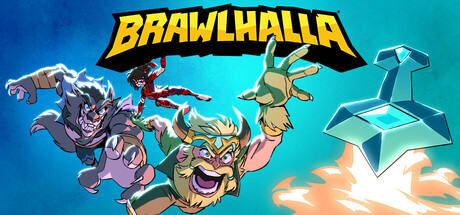
Steam store description retrieved at review generation. AI interpretation, not a hands-on test. Game details can change after this review's date.
Weapons shape the platform fight
Brawlhalla replaces traditional health-bar knockouts with platform-fighter damage and ring-outs: attacks make opponents increasingly vulnerable to being launched beyond the arena. Each Legend uses two weapon types, picked up during play, with shared basic weapon attacks and character-specific signature moves. That structure makes weapon familiarity transferable across the roster while preserving differences between individual fighters. Movement, dodging, aerial positioning, and recovery matter as much as attack selection, particularly when a duel shifts from solid ground to the space beyond a platform.
Flexible company and transferable skills
The description's online and local matches, private rooms, and cross-platform support make Brawlhalla especially relevant for groups whose devices or preferred match formats differ. Casual free-for-alls accommodate a social evening, while ranked play offers a more focused competitive path. Its weapon-based structure also gives experimentation a useful foundation: learning a weapon can help when trying another Legend who carries it. The roster's size is therefore less important than whether its weapon combinations and signature attacks give your group appealing choices.
Party chaos and competitive precision diverge
Large free-for-alls and focused competitive matches ask for different expectations. With several fighters sharing a stage, interruptions and shifting targets can outweigh the clean exchanges that make a duel instructive. Conversely, competitive improvement demands recovery discipline, careful dodges, and familiarity with weapon ranges, despite the relatively straightforward controls. Character access involves an unlock model and a rotating selection, so not every roster experiment is equally immediate. Cross-platform availability is useful, but it should not be mistaken for a guarantee about connection quality.
Strengths
- Shared weapon attacks ease roster experimentation
- Local, online, and cross-platform group options
Consider before playing
- Character access uses rotation and unlocks
- Large free-for-alls sacrifice duel clarity
The verdict
Brawlhalla makes sense for friends seeking flexible platform-fighting sessions and for competitors attracted to weapon-centered spacing. Its approachable controls leave substantial room for movement mastery. Choose match formats deliberately: the qualities that make a crowded party enjoyable are not necessarily the same ones that support precise, repeatable competitive learning.