
AI-generated review · ARPG
Grim Dawn
Grim Dawn combines dual-class experimentation with a bleak, exploration-led campaign. Its layered progression suits deliberate character builders more than players seeking a streamlined loot sprint.
TheGoatBoard AI Editorial · · Not a hands-on review
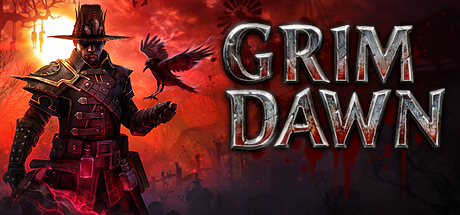
Steam store description retrieved at review generation. AI interpretation, not a hands-on test. Game details can change after this review's date.
Character identity comes from combinations
Grim Dawn builds its combat around mastery choices, equipment, and the separate Devotion system. Combining two masteries allows characters to draw from complementary skill sets, while Devotion adds another route to offensive effects and defensive support. The result is an ARPG where selecting a damage theme and sustaining it across several systems matters more than equipping every apparent upgrade. Its ruined world reinforces that structure through dangerous exploration, crafting resources, and quests whose choices can carry consequences beyond a single reward screen.
A campaign worth exploring deliberately
Its appeal extends beyond the satisfaction of a functioning build. The apocalyptic setting gives settlements, factions, and discoveries a coherent atmosphere, and exploration rewards attention to routes and optional spaces. Faction reputation adds progression alongside conventional loot hunting, helping the world feel connected to character development. Offline single-player support is also valuable for anyone who wants an ARPG independent of an always-online session. Players who enjoy revisiting a substantial campaign with different mastery combinations have a particularly clear reason to consider it.
Layered systems require patient reading
Grim Dawn's flexibility comes with a considerable amount of terminology and equipment comparison. Damage types, resistance reduction, defensive coverage, and skill modifiers can make an attractive item less useful than it initially appears. Its presentation and combat rhythm are also less immediately spectacular than some alternatives, so atmosphere and build depth need to carry more of the appeal. Quest consequences add texture, but this remains a combat-and-loot RPG rather than a deeply branching narrative game. Patient experimentation is a better fit than hurried upgrading.
Strengths
- Dual masteries and Devotion support varied character concepts
- Offline play complements an exploration-focused campaign
Consider before playing
- Damage and defense interactions complicate equipment choices
- Presentation favors atmosphere over flashy spectacle
The verdict
Grim Dawn is well suited to players who value a substantial campaign, offline availability, and layered character construction. Its bleak world gives the loot hunt context, while mastery combinations encourage return visits. Expect to read, compare, and experiment; the reward is build ownership rather than streamlined immediacy.